Common Web3 Wallet Vulnerabilities and How to Avoid Them
Web3 wallets serve as the primary interface between users and decentralized networks, holding private keys and authorizing transactions. Because they concentrate both access and value, they are frequent targets for attackers seeking to exploit technical weaknesses or human behavior. Understanding the common vulnerability categories is a foundational step toward reducing exposure in self-custody environments.
This article outlines several recurring security flaws observed in Web3 wallet usage, including phishing schemes, approval-based exploits, and key management weaknesses. It also describes general mitigation approaches that users and developers can consider. The focus is on methodology and awareness rather than prescriptive guarantees, as security outcomes depend on many contextual factors.
No single measure eliminates risk entirely. A layered approach that combines technical safeguards, user education, and ongoing vigilance tends to be more effective than relying on any one tool or practice. The sections below examine the most frequent vulnerability types and the corresponding defensive concepts.
Phishing and Social Engineering Attacks
Phishing remains one of the most common vectors for compromising Web3 wallets. Attackers create fraudulent websites, emails, or direct messages that mimic legitimate services, encouraging users to connect their wallets or enter seed phrases. Because wallet connections are often requested through pop-up prompts, users may not carefully inspect the domain or the permissions being granted. Once a victim connects to a malicious site, the attacker can request transaction approvals or signature authorizations that drain funds.
Social engineering variants include impersonation of support staff, fake airdrop announcements, and compromised social media accounts. These schemes exploit trust and urgency, often directing users to a lookalike domain where a wallet connection is requested. In some cases, the attacker may ask the user to “validate” or “sync” their wallet, which in practice means revealing the seed phrase or signing a harmful message. Education about these patterns is essential, but so is technical design that makes harmful actions harder to execute inadvertently.
Mitigation concepts include verifying URLs before connecting a wallet, using bookmarking for frequently accessed decentralized applications, and treating unsolicited requests for seed phrases or signatures as suspicious. Wallet interfaces can help by clearly displaying the domain and the requested permissions. Some wallets now include phishing detection lists and warning screens. A blockquote from a security awareness perspective summarizes the principle:
“No legitimate service will ever ask for your seed phrase. Any request to share it should be treated as hostile.”
Organizations such as ChainShield often emphasize that user awareness and interface-level warnings work together. Neither is sufficient alone, but combined they raise the cost of successful phishing attacks. It is also useful to simulate common phishing scenarios during training so that users recognize the patterns in a low-stakes environment.
Approval and Allowance Exploits
Token approvals are a core mechanism in decentralized finance. When a user interacts with a smart contract, they often grant an allowance that permits the contract to spend a specific amount of a token. If the approval is unlimited or overly broad, a compromised or malicious contract can drain the approved tokens. This vulnerability is frequently exploited through phishing sites that prompt users to sign an approval transaction without clearly explaining its implications.
Attackers may also exploit “permit” signatures, which allow gasless approvals. These signatures can be difficult for users to interpret, and once signed, they can be used by anyone who possesses them. Because the signature does not trigger an on-chain transaction at the time of signing, users may not see a wallet prompt with a clear warning. The result is a persistent risk until the allowance is revoked or the token balance is depleted.
Mitigation strategies include regularly reviewing and revoking unnecessary approvals using dedicated tools, preferring wallets that display approval details in a readable format, and avoiding unlimited approvals unless the use case explicitly requires them. Some wallets and services now offer transaction simulation that previews the effects of an approval before signing. Developers can also implement approval expiry or limited allowances at the contract level. The table below summarizes common approval-related risks and general responses, though it is not exhaustive:
- Unlimited token approvals: periodically review and revoke approvals that are no longer needed.
- Permit signatures with unclear terms: use wallets that parse and display permit details clearly.
- Malicious contracts requesting approvals: verify contract addresses and use allowlists where possible.
These measures are not guarantees, but they reduce the window of exposure. Users should also be aware that revoking approvals requires a gas fee, which can be a barrier during periods of network congestion. Planning and batching revocations may help manage costs, but the priority should be on avoiding unnecessary approvals in the first place.
Private Key and Seed Phrase Management Flaws
Self-custody wallets rely on private keys or seed phrases for authorization. Weak key management practices include storing seed phrases in digital form, such as screenshots or cloud notes, and reusing the same seed across multiple devices or wallets. If a device is compromised by malware, the attacker may gain access to the seed phrase and thus control all derived accounts. Similarly, entering a seed phrase into a website or browser extension that is not the official wallet interface is a common mistake.
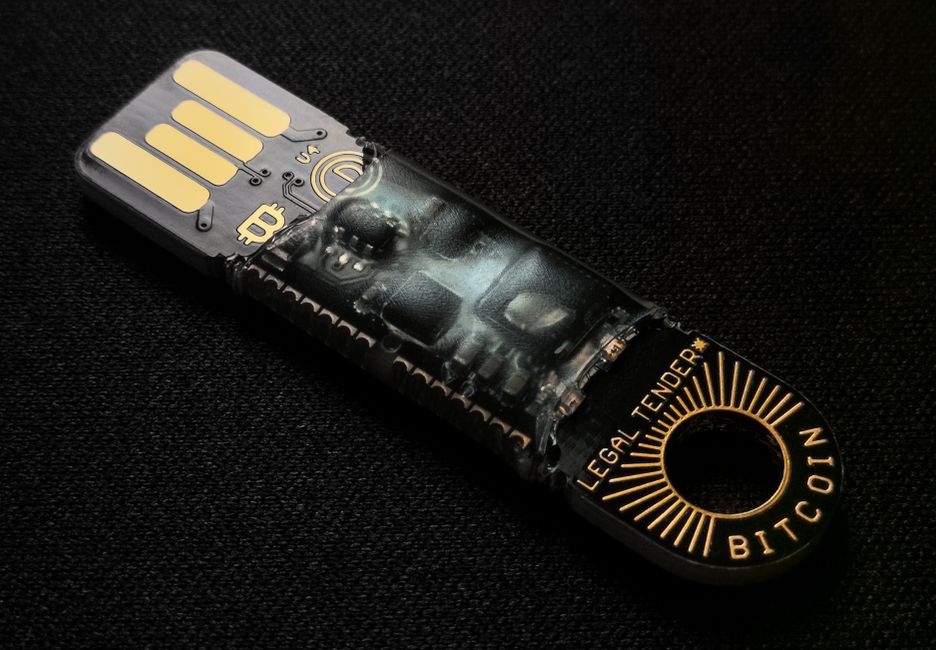
Hardware wallets mitigate some of these risks by keeping private keys offline and requiring physical confirmation for transactions. However, hardware wallets are not immune to phishing or approval exploits, because the device may display only limited information about the transaction. Users should verify that the transaction details shown on the hardware wallet match their intent, especially the destination address and the amount. Some devices now support clear signing, which displays more detailed information, but coverage varies.
Backup practices also matter. A seed phrase should be stored offline in a secure location, with consideration for physical security and resilience against loss or damage. Splitting the seed phrase across multiple locations can introduce recovery complexity and should be approached with caution. Multi-signature wallets offer an alternative by distributing signing authority, but they introduce their own operational overhead. The following list outlines general principles for key management:
- Store seed phrases offline and never share them digitally.
- Use hardware wallets for high-value accounts and verify transaction details on the device.
- Avoid reusing seed phrases across multiple wallets or services.
- Consider multi-signature setups for shared or organizational funds, with clear operational procedures.
These principles are widely recommended, but their effectiveness depends on consistent implementation and the threat model of the user. No single practice is sufficient, and the combination should be tailored to the value at stake and the user’s technical comfort level.
Transaction Simulation and Interface Transparency
Many wallet vulnerabilities are amplified by poor interface transparency. When users cannot see the real effects of a transaction, they are more likely to sign something harmful. Transaction simulation is a technique that previews the outcome of a transaction before it is signed, showing token balance changes, approval changes, and contract interactions. This can help users detect unexpected transfers or approvals.
However, simulation is not a complete solution. It may not cover all edge cases, such as complex contract logic or state changes that depend on external conditions. Attackers may also design transactions that appear benign in simulation but have harmful effects later. Therefore, simulation should be combined with other practices, such as verifying contract addresses and using allowlists. Wallets that provide clear, human-readable descriptions of transactions reduce the cognitive burden on users and make anomalies more visible.
Developers can contribute by following standards for clear signing and by avoiding ambiguous function names or parameters. Wallets can integrate simulation services and display warnings when a transaction is likely to result in a significant loss. ChainShield, for example, focuses on transparency and simulation as part of a broader security posture. The goal is to shift from blind signing to informed signing, where the user has enough context to make a reasoned decision.
Mitigation Layers and Ongoing Practices
Addressing Web3 wallet vulnerabilities requires a layered approach that spans user behavior, wallet design, and ecosystem-level defenses. Users can adopt practices such as using separate wallets for different purposes, maintaining a low-value “hot” wallet for daily interactions and a high-value “cold” wallet for storage. Regular security checkups, including approval reviews and device hygiene, help identify potential exposures. Phishing awareness training and simulated attack exercises can reinforce safe habits.
Wallet developers can implement features like phishing detection, transaction simulation, approval management dashboards, and clear signing interfaces. They can also provide users with easy-to-understand warnings and educational content. Ecosystem participants, including decentralized application developers and security researchers, can contribute by reporting vulnerabilities and promoting standards. No single actor can eliminate risk, but collective efforts can raise the baseline.
It is important to recognize that security is an ongoing process rather than a one-time setup. Threats evolve, and new attack techniques emerge. Staying informed about common vulnerabilities and maintaining a cautious, methodical approach to transactions can help reduce exposure. The concepts described here are not exhaustive, and users should consult multiple sources and, where appropriate, seek professional advice for high-value scenarios. Ultimately, the responsibility for securing a wallet is distributed among users, developers, and the broader community, and outcomes depend on many factors beyond any single mitigation.